The Jonestead Logo

English Muffins

By |2025-01-21T12:57:46+00:00January 21st, 2025|

This Homemade English Muffin recipe is quick, easy, & delicious to make. No stretch and folds, no sticky hands, and no major time commitment!

We Tried Raw Milk

By |2025-01-11T11:47:26+00:00January 11th, 2025|

We tried raw milk for the first time. Learn what our thoughts were on the flavor and consistency along with what we made from the milk.

10 Best Gifts For Chicken Keepers

By |2025-01-15T12:18:31+00:00December 17th, 2024|

For those of you who have homesteaders or chicken keepers in your life, you may be wondering what chicken related gifts would truly be appreciated. I'll be sharing recommendations for the 10 Best Gifts For Chicken Keepers. I've personally been keeping chickens for over 10 years (likely closer to 15, but who's counting). Every year I adjust products I'm using to help ebb and flow with the seasons, predators, or chicken issues that arise. It's a fun challenge and throughout these adjustments I've found some staples that I stick with regardless. 10 Best Gifts For Chicken Keepers Roll Away Nesting Boxes: For someone that doesn't keep chickens, this may seem silly (or even lazy). Truth be told, it's actually really helpful but something that most chicken keepers have a hard time justifying buying themselves. With multiple chickens using each nesting box, naturally they track dirt and poo in from the coop they've been walking in. What they track in gets on the eggs since the nesting box is shared and by the end of the day eggs may be broken or really dirty in those nesting boxes. In a rollaway nesting box, the egg gets laid and once the hen moves or stands the natural incline of the box encourages the egg to gently roll into the collection bin where it stays clean and protected from traffic or even egg-eating hens. This is a great roll away nesting box that comes in two sizes. Small Rollaway Nest Box: https://amzn.to/3OXJTltLarge Rollaway Nest Box: https://amzn.to/3BzM6R1 Meal Worms: Meal worms may seem excessive to the unknowing chicken keeper, however, these are actually an excellent source of protein for the chickens. While they are considered a treat, not a full meal, mealworms help support growth, egg production, and help hens through the molting process. Not to mention, once then hens are fed these helpful treats, they'll be running your way every time they see you just like a dog. Mealworms: https://amzn.to/41Ac5SS Incubator: Most chicken keepers decide to incubate eggs at some point to help save costs and ensure productive layers. I've personally used this 41 egg incubator for the last 3 years and I've had good success with it. I'll be sharing a specific post with tips or trick on how to use this in the future but for now this would make a well received gift for any chicken enthusiast on you your list.Incubator: https://amzn.to/3Dldv9V Heat Plate: Once you incubate eggs and hatch out little chickens, you need a way to keep them warm and dry while they're little. Most people start with a heat lamp but gosh they can be dangerous. I prefer this brooder plate which can accommodate up to 20 chicks and is claimed to be much safer to use than a heat lamp: Heat Plate: https://amzn.to/4gBdaOJ Chicken Saddle: Between chickens molting, aggressive roosters, and boredom causing hens to pick at each others feathers, these chicken saddles will come in handy throughout the year. They may seem silly, but they

Homemade Playdough Recipe

By |2025-01-15T12:16:11+00:00December 7th, 2024|

This is your new go-to DIY homemade playdough recipe! Takes 10 minutes to make, lasts for months, and costs less than a cup of coffee. Made with ingredients you likely already have in your pantry. Why will you LOVE this homemade playdough recipe? Quick to make - takes only 5 minutes Enough playdough for approximately 5 children Inexpensive to make - with only 5 ingredient that are likely already in your pantry EASY to customize - add color of your choice, glitter, or anything else you desire Not sticky like other recipes Lasts for MONTHS when stored properly Playdough is a Favorite Homestead Activity for Kids Our kids LOVE playing with this homemade playdough. We let them choose the colors each time we make it. This gets them engaged and eager to learn their colors. We typically give them rolling pins and cookie cutters and have them "help" us make cookies. They're always so proud of what they're able to make. Best of all, it's a screen free activity! A Screen Free Activity for Kids I initially tried making homemade playdough in a search for screen free activities for kids. My kids were spending too much time on their ipads. I wanted to re-direct their attention to more hands on activity that was engaging and helped them learn. Meanwhile, I also needed to keep a low budget in mind and homemade playdough was the winner. How Playdough Supports Learning and Development Playdough is a valuable tool in early childhood development because it engages children in activities that foster learning, creativity, and skill development. 1. Playdough used for Fine Motor Skills Development Strengthens hand muscles: Rolling, squishing, and molding playdough improves hand strength and dexterity. Improves coordination: Using tools like cutters, rollers, or shaping utensils enhances hand-eye coordination. Prepares for writing: Manipulating playdough helps develop the fine motor skills needed for holding a pencil. 2. Playdough helps Sensory Exploration Tactile experience: The texture, temperature, and pliability of playdough provide rich sensory input. Calming effect: For some children, manipulating playdough can have a soothing and stress-relieving effect. 3. Playdough boasts in Creativity and Imagination Encourages artistic expression: Children can create shapes, objects, or abstract designs, fostering creativity. Role-play and storytelling: Playdough creations can be part of imaginative play scenarios. 4. Playdough aids in Cognitive Development Problem-solving skills: Creating specific shapes or structures challenges children to think and plan. Understanding concepts: Playdough can be used to teach concepts like shapes, sizes, numbers, and patterns. 5. Playdough used for Social and Emotional Development Collaboration: Group activities with playdough encourage sharing and teamwork. Emotional expression: Children can express feelings through their creations. 6. Playdough helps Language Development Vocabulary building: As children describe what they're making, they learn new words and improve communication skills. Instruction following: Structured activities with playdough help children practice following directions. Playdough is also easy to customize with colors, scents, or add-ins (like glitter or beads) to tailor the experience to developmental goals. Whether used in structured activities or free play, it’s

Farm Fresh Turkey Brine

By |2025-01-13T12:00:08+00:00December 4th, 2024|

This Farm Fresh Turkey Brine recipe will transform your Thanksgiving turkey into the star of the show, with rave reviews like “Best turkey I’ve EVER tasted!” “So juicy and flavorful!” and “A total game-changer!” The brine is simple to prepare and ensures your turkey is tender, moist, and bursting with flavor. With just a little planning ahead, this recipe is perfect for anyone aiming to impress a table full of hungry guests. Whether you’re hosting a cozy family gathering or feeding a crowd, this brine is your ticket to a Thanksgiving everyone will be talking about for years to come!

Homestead Daily Bread

By |2025-01-22T12:46:02+00:00November 17th, 2024|

Baking bread is an essential skill within the homestead to ensure multiple options for each meal. An easy, go-to bread recipe can become the focal point for breakfast, lunch, dinner, or dessert. About the Recipe The Homestead Daily Bread recipe is a perfect go-to recipe for your homestead.  It's quick to prep (5 minutes) and you let the bread machine do the rest.  There's nothing better than walking into the house to the smell of fresh bread while you've been out tending the garden or playing with the kids outside.  This recipe is great for sandwiches, toast, grilled cheese, garlic bread, cheesy breadsticks, french toast, and so much more.  The fact that you can customize the slice size helps to make it more versatile than a store bought loaf.   6 Benefits of Having a Daily Bread Recipe for Your Homestead In the heart of every homestead, there’s something truly magical about the simple act of baking bread. While sourdough may get the spotlight for its tangy charm, a humble daily loaf of white bread can bring just as much joy—and it’s far easier to make than you might think! If you don’t already have a go-to bread recipe, now is the perfect time to create one. Whether you bake by hand or use a bread machine, having a reliable recipe at your fingertips is one of the best ways to enrich your homestead life. Let’s dive into the many reasons why a daily bread recipe is a homesteader’s best friend. 1. Cost Savings: Bake More, Spend Less One of the most compelling reasons to bake bread daily is the significant cost savings. A loaf of store-bought bread can run anywhere from $2 to $5, depending on the brand and quality. When you bake your own bread, the ingredients (flour, yeast, and water) cost mere cents per loaf, and you’ll know exactly what goes into it—no preservatives or mystery ingredients. Over time, those small savings really add up, allowing you to reallocate your budget to other homesteading needs, whether it’s seeds for next season's garden or extra supplies for canning. 2. Convenience: Quick and Easy Loaf for Busy Days Running a homestead means you're likely juggling numerous tasks every day—feeding animals, tending gardens, fixing fences, and more. The last thing you need is the stress of baking bread from scratch every time you run out. That's where a dependable daily bread recipe becomes a game changer. With a simple routine or a bread machine, you can have fresh, soft bread ready to serve with minimal effort. Bread machines, in particular, are fantastic for homesteaders who are constantly on the go. Just toss in the ingredients, set it, and forget it. While you take care of other tasks, your machine does the hard work, kneading and baking the bread to perfection. When you return, there’s a warm, golden loaf waiting for you. 3. Nostalgia: The Irresistible Aroma of Fresh-Baked Bread If you’ve ever walked into a house where fresh bread is baking,

Starting Seeds Indoors

By |2025-01-15T12:21:08+00:00January 28th, 2024|

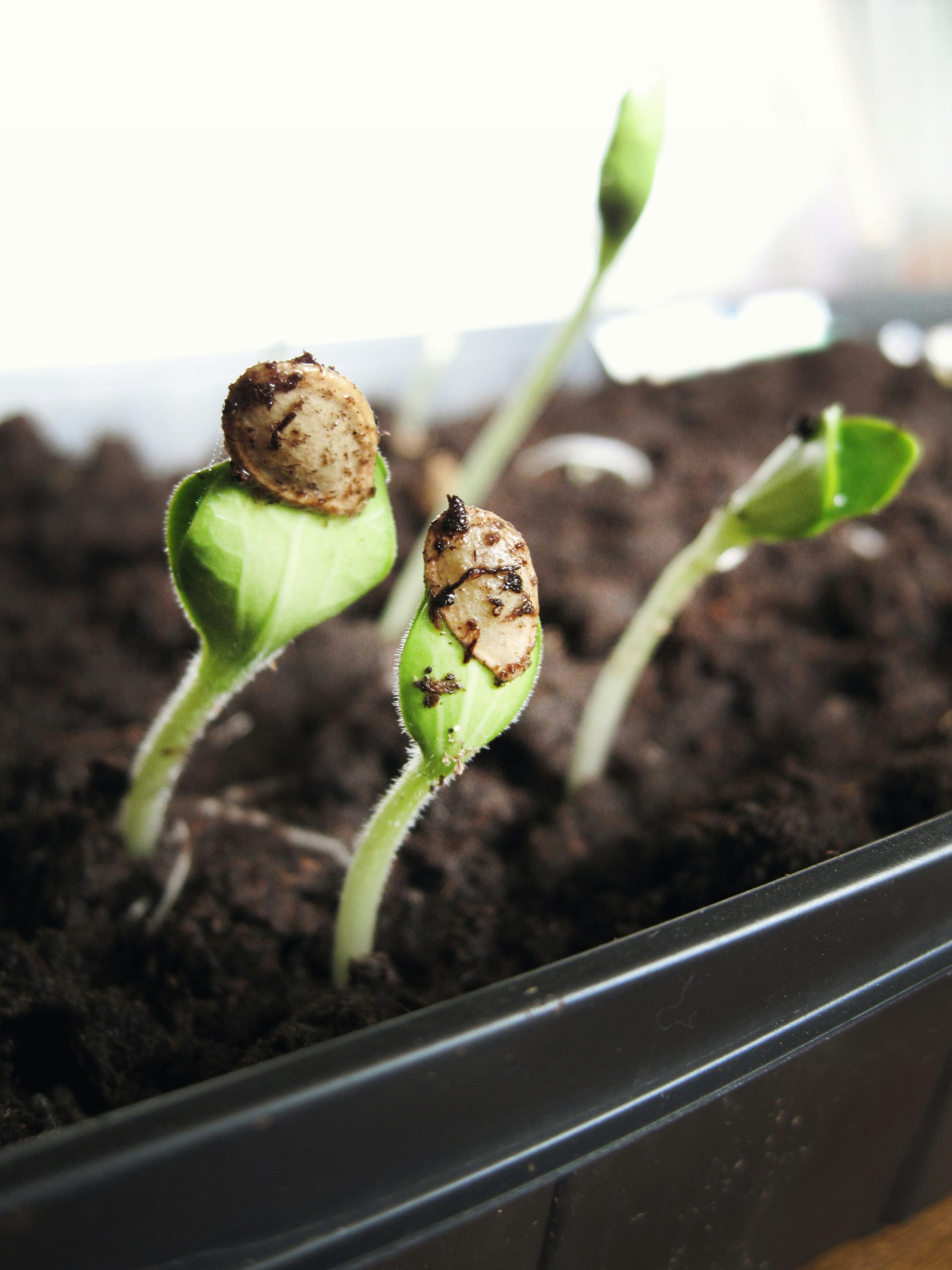
As winter blankets the outdoor world in frost and snow, the dedicated gardener can still get a head start on spring by starting seeds indoors. Cultivating plants from seeds during the winter months allows you to extend your growing season and enjoy a bountiful garden when warmer weather arrives. In this guide, we will explore the basics of starting seeds indoors, providing you with the knowledge and skills to nurture your own little garden oasis during the colder months. Selecting Seeds: Begin by choosing seeds that are suitable for indoor germination. Vegetables like tomatoes, peppers, and herbs are excellent candidates for starting indoors. Look for high-quality seeds from reputable suppliers to ensure a successful germination process. Gathering Supplies: Gather the necessary supplies for starting seeds indoors. You'll need seed trays or containers, seed-starting mix, a watering can or spray bottle, and labels for identifying the planted seeds. Additionally, invest in grow lights or place your seedlings near a south-facing window to ensure they receive adequate light. Choosing the Right Containers: Use seed trays or small containers with drainage holes to prevent waterlogged soil, which can lead to root rot. Make sure the containers are clean and have been disinfected to minimize the risk of diseases affecting your seedlings. Preparing the Seed-Starting Mix: Choose a high-quality seed-starting mix that is lightweight and provides good aeration for the developing roots. Moisten the mix before planting to ensure even distribution of water. Planting the Seeds: Follow the instructions on the seed packets for proper planting depth and spacing. Gently press the seeds into the soil and cover them according to the recommended guidelines. Use labels to identify each type of seed, as it's easy to forget what you planted once they start sprouting. Providing Adequate Light: Place your seed trays under grow lights or near a sunny window. Seedlings require 12-16 hours of light per day. Adjust the height of the lights to keep them close to the plants without causing heat damage. Maintaining Proper Temperature and Humidity: Keep the indoor environment conducive to seed germination by maintaining a consistent temperature between 65-75°F (18-24°C). Use a humidity dome or cover the trays with plastic wrap until the seeds germinate to create a warm and humid microclimate. Watering Carefully: Water the seedlings carefully to keep the soil consistently moist but not waterlogged. Use a spray bottle or a fine mist to prevent disturbing the delicate young plants. Transplanting Seedlings: Once the seedlings have developed their second set of leaves, transplant them into larger containers with nutrient-rich potting soil. This provides them with the space and nutrients needed for further growth. Hardening Off and Transplanting Outdoors: Before transplanting seedlings into the garden, gradually acclimate them to outdoor conditions through a process called hardening off. This involves exposing them to outdoor conditions for increasing periods over several days. Transplant your hardened-off seedlings into the garden when the risk of frost has passed. Starting seeds indoors during the winter months is a rewarding endeavor that allows you

Essential Garden Tasks during the Summer

By |2025-01-15T12:21:34+00:00January 28th, 2024|

Thriving Gardens require essential tasks during the heat of the summer. As the sun's rays intensify and temperatures rise, your garden becomes a vibrant oasis teeming with life. Summer is a crucial time for garden maintenance, ensuring that your plants not only survive but thrive in the heat. We'll explore key tasks to keep your garden flourishing throughout the summer months. Hydration is Key:The scorching summer sun can quickly deplete soil moisture, putting stress on your plants. Regular watering is crucial, especially during dry spells. Water early in the morning or late in the evening to minimize evaporation. Focus on the base of plants, keeping the foliage dry to prevent fungal diseases. Mulching for Moisture Retention:Apply a layer of organic mulch around your plants to conserve soil moisture. Mulch acts as a protective barrier, shielding the soil from the sun's direct rays and reducing water evaporation. It also helps control weeds that compete for water and nutrients. Pruning and Deadheading:Summer is an ideal time for pruning to shape your plants and encourage healthy growth. Remove dead or diseased branches to improve air circulation and prevent the spread of pests. Deadhead flowering plants regularly to stimulate new blooms and maintain a tidy appearance. Fertilizing for Growth:Boost your plants' nutrient intake by fertilizing during the growing season. Choose a balanced fertilizer or one specifically formulated for the types of plants in your garden. Follow recommended application rates, as excessive fertilization can harm plants. Consider using organic fertilizers for a more sustainable approach. Pest Patrol:Summer invites various pests to the garden, threatening the health of your plants. Keep a watchful eye for signs of infestations and take prompt action. Consider using natural predators, insecticidal soaps, or neem oil to control pests while minimizing harm to beneficial insects. Support for Tall Plants:Tall or heavy plants, such as tomatoes or sunflowers, may require additional support to withstand summer storms and winds. Install stakes or cages to prevent bending or breaking. Regularly check and adjust supports as plants grow. Soil Health Check:Periodically assess the condition of your soil to ensure it remains nutrient-rich. Consider conducting a soil test to determine pH levels and nutrient deficiencies. Amend the soil with compost or organic matter as needed to promote a healthy growing environment. Shade and Sun Protection:Some plants, especially those that prefer partial shade, may struggle in intense summer sunlight. Provide shade using temporary covers, especially during the hottest part of the day. This will help prevent sunburn and stress on sensitive plants. Harvesting and Enjoying the Fruits of Your Labor:Summer is the season of abundance in the garden. Regularly harvest ripe fruits, vegetables, and herbs to encourage continuous production. Celebrate the flavors of your garden by incorporating freshly harvested produce into your meals. By incorporating these key tasks into your summer garden maintenance routine, you'll ensure a thriving and lush landscape. Remember that each garden is unique, so tailor these tips to suit the specific needs of your plants. With a little care and attention, your garden

Growing Perfect Carrots

By |2025-01-15T12:22:04+00:00January 28th, 2024|

Cultivating Crunchiness: A Guide to Growing Perfect Carrots Carrots, with their vibrant orange hue and sweet, crisp texture, are a staple in many gardens. Whether you're a seasoned gardener or a green-thumb enthusiast, cultivating carrots can be a rewarding experience. In this blog post, we'll explore essential carrot growing tips to ensure a successful harvest and enjoy the fruits (or veggies) of your labor. Selecting the Right Carrot Varieties:Begin your carrot-growing journey by choosing the right varieties for your climate and soil conditions. Popular choices include Nantes, Danvers, and Imperator varieties. Consider the size, shape, and flavor profile that best suits your preferences. Preparing the Soil:Carrots thrive in well-draining, loose soil. Prior to planting, work the soil to a depth of at least 12 inches, removing rocks and clumps. Adding compost or well-rotted manure improves soil fertility and structure, providing the ideal environment for carrot roots to develop. Sowing Seeds:Carrots are typically grown from seeds rather than transplants. Plant the seeds directly into the garden bed about 1/4 to 1/2 inch deep. Ensure proper spacing between rows to allow for easy weeding and harvesting. Timing is Crucial:Carrots prefer cool weather, so timing is crucial for a successful harvest. Plant seeds in early spring or late summer, avoiding the hottest parts of the year. Consider succession planting to extend the harvest period. Thinning Seedlings:Once the carrot seedlings emerge, thin them to ensure proper spacing. Crowded carrots can result in stunted growth and misshapen roots. Aim for a final spacing of 2 to 3 inches between plants. Watering Wisely:Carrots require consistent moisture for optimal growth. Keep the soil consistently moist but not waterlogged. Water deeply to encourage root development. Mulching can help retain moisture and suppress weeds. Fertilizing Carefully:Carrots do not need excessive amounts of fertilizer. Too much nitrogen can lead to lush foliage at the expense of root development. A balanced fertilizer with a slightly higher phosphorus content can support healthy carrot growth. Protecting from Pests:Carrots are relatively low-maintenance, but they can attract pests like carrot flies. Use row covers or companion planting with onions and garlic to deter these pests. Regularly inspect plants for signs of pest infestation. Harvesting at the Right Time:Carrots are ready for harvest when they reach their mature size, usually around 60-80 days after planting. Check the color, size, and firmness of the roots. Harvest in the morning or evening to avoid exposing the roots to the sun, which can cause them to become bitter. Storing Carrots Properly:After harvesting, remove the foliage and store carrots in a cool, humid environment. A root cellar or refrigerator crisper drawer works well. Carrots can last for several months if stored properly. Growing carrots can be a satisfying and delicious endeavor with the right techniques. By selecting the right varieties, preparing the soil, timing your planting, and following these tips, you'll be on your way to a bountiful harvest of homegrown, crunchy carrots. Happy gardening!

Keeping Happy and Healthy Chickens on the Homestead

By |2025-01-15T12:24:04+00:00January 28th, 2024|

Welcome to the world of backyard chicken keeping! Whether you're a seasoned homesteader or a beginner looking to add some feathered friends to your property, raising chickens can be a rewarding and enjoyable experience. In this guide, we'll cover everything you need to know to keep your chickens happy, healthy, and thriving on the homestead. The Basics Choosing the Right Breed: Consider your goals (egg production, meat, dual-purpose). Climate and space considerations. Research breeds that thrive in your region. Coop and Run Setup: Build or buy a secure coop to protect from predators. Provide adequate space (4 sq. ft. per chicken in the coop, 8-10 sq. ft. in the run). Ensure good ventilation and natural light. Feeding Your Flock: High-quality commercial chicken feed. Supplement with kitchen scraps, grains, and greens. Ensure access to clean, fresh water at all times. Daily Care Nesting Boxes: Provide comfortable, private nesting spaces. Regularly collect eggs to prevent broodiness. Maintaining a Clean Coop: Regularly clean and change bedding. Remove droppings to prevent ammonia buildup. Conduct periodic deep cleanings. Health Checks: Monitor for signs of illness (lethargy, changes in behavior, abnormal droppings). Conduct regular health checks, including examining eyes, feathers, and feet. Keeping Your Chickens Entertained Outdoor Activities: Allow free-range time if possible. Provide dust baths for natural grooming. Offer perches and roosts for climbing and roosting. Enrichment and Toys: Hang vegetables for pecking. Introduce chicken-safe toys and objects. Dealing with Common Challenges Predator Protection: Install secure fencing. Use motion-activated lights or alarms. Consider guardian animals (dogs, llamas) for added protection. Managing Flock Dynamics: Monitor for bullying or aggression. Intervene if necessary by separating birds temporarily. Sustainable Practices Composting Chicken Waste: Utilize chicken droppings for composting. Create a composting system with bedding, kitchen scraps, and yard waste. Integrated Pest Management: Chickens can help control insects and pests naturally. Rotate chicken areas to target pest hotspots. Raising chickens on the homestead can be a fulfilling and sustainable venture. By following these guidelines, you'll create a healthy and happy environment for your feathered friends while enjoying the benefits they bring to your homestead. Whether you're in it for fresh eggs, pest control, or the joy of their company, your backyard chickens are sure to become valued members of your homestead community.

Go to Top